Posted on TripadvisorVerified Beautiful experience with Tales of Bhutan. A lifetime experience and memories of Bhutan with you and your team. I would like to express my sincere gratitude to Sajan Ji and Sita for curating such an extraordinary and unforgettable trip to Bhutan. The journey exceeded all expectations and left us with memories that we will cherish for a lifetime. Your meticulous planning and flawless execution were evident. Right from transportation and accommodations to the thoughtfully designed itinerary everything was handled with great care and professionalism. Experiencing the majestic monasteries, serene valleys, and stunning mountain landscapes was nothing short of magical. Each place had its own charm, and you and Sita ensured we had enough time to fully appreciate and learn the uniqueness of every location. Your deep knowledge, enthusiasm, and genuine warmth made a significant difference in our overall experience. You went above and beyond to make us feel comfortable and welcomed, while also sharing fascinating insights about Bhutan’s culture, history, and traditions. The hospitality we received throughout the journey was exceptional. You made our holiday your holiday and the homely touch we got was exceptional and incredible. The balance between sightseeing, cultural immersion, and moments of quiet reflection made this journey incredibly enriching. Thank you once again for your outstanding efforts and commitment to excellence. We deeply appreciate the care and passion that went into organizing this trip. It has truly been a once-in-a-lifetime experience, and we would be delighted to travel with your company again in the future and highly recommend others to choose you while travelling to Bhutan. Bhutan you have our hearts..💕Posted on TripadvisorVerified Bhutan offered many stories and memories Bhutan is truly a magical place with amazing nature, architecture and history, the people are beautiful and peaceful, and the food is deliciously organic whilst having variety. Sajan from Tales of Bhutan along with our driver Tshering has made the experience particularly memorable, they are super attentive to our needs along the way. Sajan has all the interesting stories and knowledge of his country and places but more importantly the guys are really fun to hang out with (another battle of the pool, archery and carrom please!). Highly recommend Sajan from Tales of Bhutan and Bhutan in general.Posted on TripadvisorVerified Explored Bhutan with the best tour. My wife and I (from Australia) visited Bhutan for 8 days. Sajan took great care of us. He’s full of information, knowledge and energy. We had so much fun explored Bhutan and being silly and spontaneous together. It was like doing a road trip with friends. Thanks Sajan for being awesome, patient and beautiful hearted.Posted on TripadvisorVerified Bountiful Bhutan! Sajan & Hem were really fantastic hosts, methodical & professional whilst friendly and very entertaining. I felt completely safe the whole time and theybhave good modern transportation and drive carefully. I was traveling alone and they were great company and literally took care of everything making sure my trip felt unique but continously enlightening interesting and memorable. They took care of everything from the visa process and on my arrival to the day of departure and accompanied at every turn, step and hike. Id love to return to Bhutan its spectacular and beautiful as its people, sights & spicey food. I'd recommend Sajan & Hem without hesitation!Posted on TripadvisorVerified Influence Makes The Difference Our recent trip to Bhutan was truly exceptional. Mr Sajan from Tales of Bhutan was our guide. When we are still back in our homeland, we texted and he has impressed us with his, meticulous attention and knowledge of Bhutan’s history, and traditions. Even our itinerary was thoughtfully planned as we communicated and we believed that he would allow us to experience the beauty and serenity without any worries. During our trip, Sajan’s engaging story-telling and insightful explanations brought every destination to life. Detailre stories from the majestic monasteries and sacred sites and local villages were explained to us. His warm personality, patience, and genuine enthusiasm made us feel comfortable throughout our journey. Thanks to Sajan for our trip. It was not only well-organized and informative but also deeply meaningful and memorable. We would wholeheartedly recommend Sajan and Tales of Bhutan to anyone seeking an authentic, immersive, and expertly guided experience there.Posted on TripadvisorVerified Trip of a Lifetime! Our Guide Sanjan and Driver Arjun put care, warmth, and attention to us as their guests and brought the enchantment, history, beauty, and cultural richness of Bhutan alive. The landscape is stunning, the temples and monasteries fill one with awe, and we traveled to many places in a new and very comfortable van. Sanjan was a wealth of information and also listened well and made adaptations along the way as needed. If you are looking for hiking beyond the crowds to culturally significant places, Sanjan can also provide options. I will cherish the memories made forever. Thank you!Posted on TripadvisorVerified A Journey Guided by Stillness and Grace - Bhutan, the second home This was my third journey to Bhutan with Tales of Bhutan, and every time, this country touches me in a new way. While planning this trip, I shared a few personal wishes, and the entire journey was beautifully curated around them. I was taken to remote, unexplored monasteries and places that felt deeply spiritual and untouched, far away from the noise of typical tourism. What moved me the most was experiencing Bhutan in its raw, honest form. The people, the culture, and the quiet simplicity of life there left a deep impression on me. Each time I travel with Tales of Bhutan, I feel the experience becoming more thoughtful, more personal, and more aligned with what I truly seek when I travel. This was not just a holiday. It was a soulful experience. Sajan Rai, the owner of Tales of Bhutan, personally looked after every detail and made sure I was comfortable throughout, from carefully chosen hotels to smooth travel arrangements. That kind of care is rare and truly special. Grateful from the bottom of my heart for yet another unforgettable journey. If you are seeking an authentic, deeply personal Bhutan experience, Tales of Bhutan is where it begins.Posted on TripadvisorVerified The tales of Bhutan … with Sanjan Tales of Bhutan …a great company to use for your trips throughout this magnificent country ! I was lucky enough to have Sajan as a guide ( he also is the owner of the company ). Super knowledgeable guy and also , to be noted, his willingness of making sure you have the best possible experience on your trip . He would change times , and places to see , according to your feel of the day . In case you need small adjustments… Great English skill , and history / religion knowledge 👍 No words ..the best one to have în BhutanPosted on TripadvisorVerified A Worry-Free, Heartfelt Journey Through Bhutan We spent two wonderful weeks exploring Bhutan with Sajan from Tales of Bhutan — and honestly, we couldn’t have asked for a better experience. From the moment we touched down in Paro, everything just flowed. We didn’t have to think about logistics, timing, or even where to stop for snacks — Sajan had it all covered. He listened to what we wanted before the trip, and somehow managed to strike the perfect balance between adventure and comfort. Whether it was a long hike or a scenic drive, he and his ever-patient driver Arjun made sure we were comfortable, safe, and well taken care of — down to having hot coffee and biscuits ready during our rest stops! What I appreciated most was how personal the experience felt. Sajan was attentive without being intrusive, always checking in but giving us space to enjoy the moment. The planning was super easy too — we did everything over Zoom before the trip, and it felt like he really understood what kind of experience we were after. If you’re thinking about visiting Bhutan, I can’t recommend Sajan and Tales of Bhutan enough. They made what could’ve been a complicated trip feel effortless and deeply memorable.Posted on TripadvisorVerified Amazing Knowledge, Exceptional Service - Sajan from Tales of Bhutan Checked my bucket list to visit Bhutan on my 28th Wedding Anniversary. The trip exceeded my expectations more than 100% with Sajan and Arjun from Tales of Bhutan. From planning via zoom which started more than 6 months ago right to the day we left, both of them made us feel so reluctant to leave for home. Throughout the 14 days, Sajan and Arjun were so attentive to our needs and even accommodated our requests for our food cravings. We enjoyed the itinerary that Sajan put together for us especially the hiking with different terrain and scenery. Sajan is such an experienced guide and so patient to pace us. Arjun is always so sweet, ready with umbrellas, apples and hot flask for our coffee and cookies. His driving is one of the best with minimal discomfort on farm road. Sajan also kindly arranged to rent motorbikes for the boys on the trip to go for a ride, he also rented the traditional costumes for us to experience. Every day, both of them greeted us with the warmest smile and end the day with laughter and stories. I am so grateful that both of them are God-sent. I can confidently say that this is the best guided trip of my life and I've met the best persons who turn friends within a span of 14 days. I will highly recommend Tales of Bhutan to anyone who is planning to visit Bhutan.

The Last Echoes of Bhutanese Folklore
The Myth of Nyala Duem
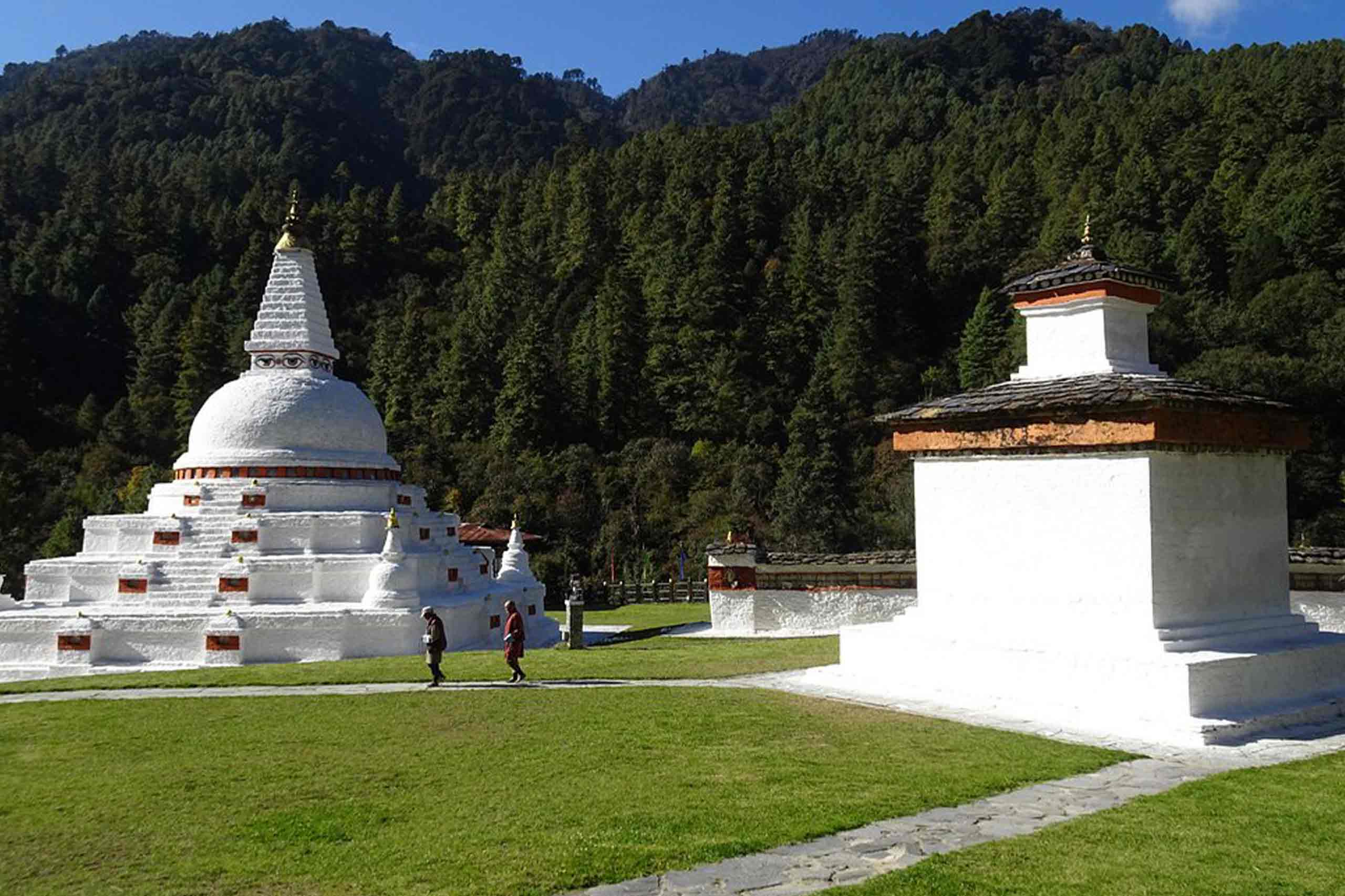
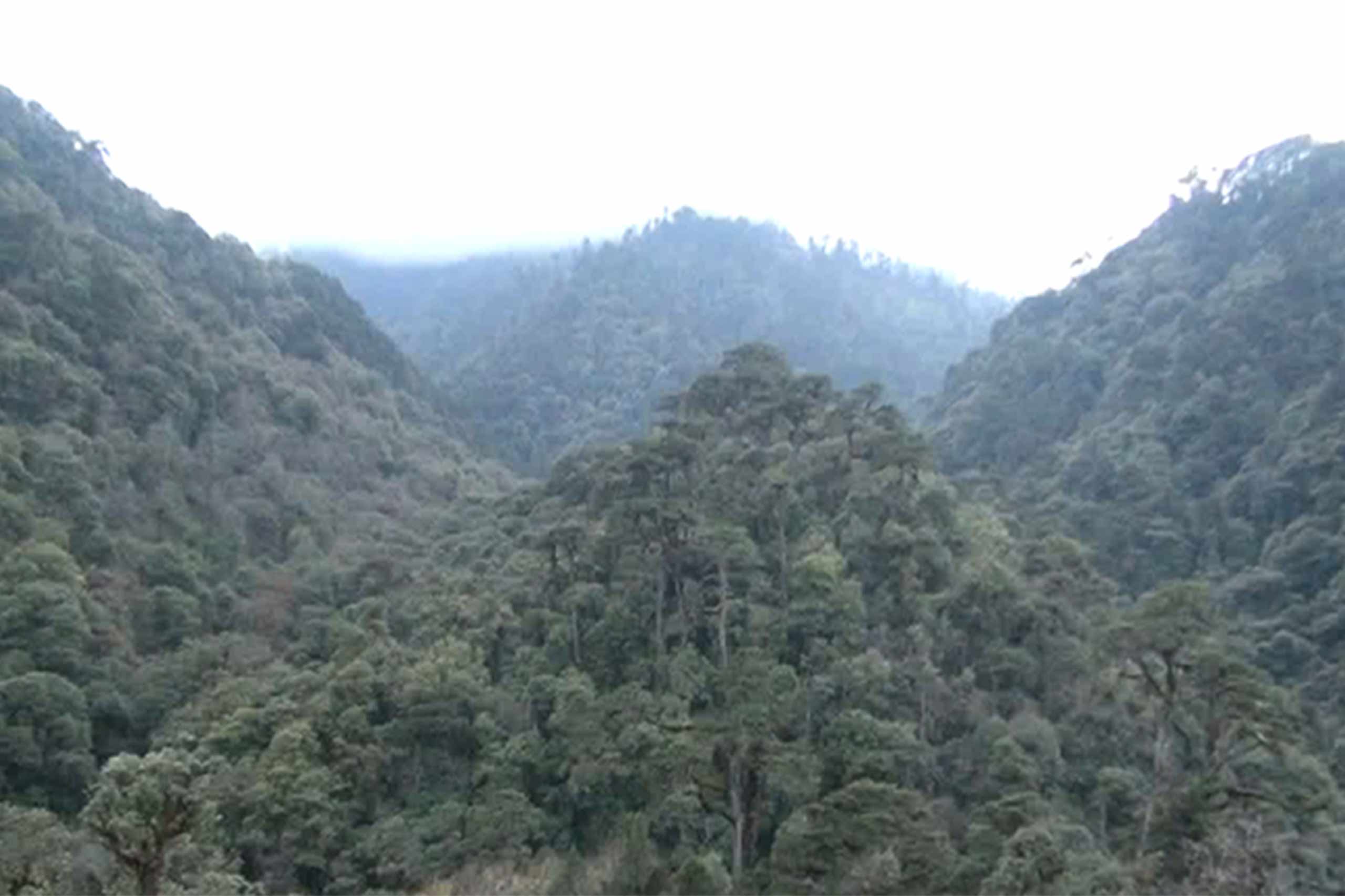
Hidden deep within the mystical forests of Nyala, near the sacred grounds of Ugyen Dargay Choling Goenpa, lies a little-known yet powerful legend from Bhutan’s oral history. It is here that the terrifying tale of Nyala Duem, a malevolent demoness, intertwines with the heroic story of Garp Lungi Khorlo, one of the three famed brothers who once served under the Trongsa Penlop.
This ancient narrative, passed down through generations, speaks of Nyala Duem’s dark magic and her dominion over the forested lands, where she lured and deceived unsuspecting travelers. It was during one of Garp Lungi Khorlo’s epic journeys—set as a trial by the Penlop—that he encountered her deadly illusions, ultimately leading to his tragic end.
Overlooking these haunted woods is Ugyen Dargay Choling Lhakhang, a sacred monastery that stands as a spiritual sentinel, preserving not only the faith of the people but also the age-old stories that define the soul of the land.
This tale remains a testament to Bhutan’s rich cultural heritage—where faith, folklore, and the supernatural meet in timeless harmony.
Story of Nyala Duem – A malevolent Demoness
Not long ago, evenings in Bhutanese homes would often end with children gathered around a fire, listening intently to stories told by elders. These cherished storytelling traditions are now slowly fading, taking with them the rich folklore that once captivated young minds. Among these tales is the chilling legend of the Nyala Duem—a fearsome demoness said to haunt the Wangdue-Trongsa highway.
In the past, as dusk settled, people would hurry home, gripped by fear of encountering the Nyala Duem. According to oral tradition, she dwelled in a shadowy forest nestled in the concave side of a mountain, just across the Chendibji River. The demoness was believed to bring death and disease to locals and travelers alike.
Passed down through generations, the lore tells of the Nyala Duem’s ability to shapeshift—sometimes appearing as a monk, at other times as a beautiful woman, and occasionally as a mysterious man wearing a conical hat.
One of the most well-known stories is that of Garp Lunghi Khorlo, the legendary messenger known as the “wheels of the wind.” It is said that while crossing the area, exhausted and overwhelmed, he wished for the Duem to take his life. Soon after, he saw a beautiful woman by a stream, washing the entrails of an ox—an ominous sign, as the ox was his birth sign.
Eighty-three-year-old Rigyem, from Nyala Drangla Goenpa, recalls that the legend of the Nyala Duem was very much alive during her childhood.
“There were no paved roads back then,” she said. “And out of fear, no travelers journeying between Wangdue and Trongsa would dare spend the night anywhere other than designated stops like Nubding, Chendibji, or Tangsibji. No one would rest in the wilderness between these places.”
According to tradition, the demoness was ultimately subdued in the 17th century by the revered saint Drubthob Druzhida when she attempted to harm him. Disguising herself as a giant serpent, she entered the sacred Nyala Lhakhang. But the saint prevailed, transforming her into a local protective deity. The sacred dagger, or phub, said to have been used in her subjugation, is still preserved at the Lhakhang.
“When Drubzhida subdued the Nyala Duem, she revealed that she was pregnant,” said Angay Rigyem. “She pleaded with the saint to raise her son. He was named Norlha Peza Drugay, and to this day, he is worshipped as our main local deity.”
In earlier times, villagers say even the sight of the Jarong Khashor Chorten at Chendibji would bring memories of the demoness flooding back. But today, such stories are rarely told. Development in the area and a lack of storytellers are contributing to the gradual disappearance of these folktales.
“There’s no one left to pass on the stories. And no one to listen either. That’s how these legends are fading,” said Padey from Tshangkha in Trongsa.
“We only heard bits and pieces here and there. We don’t know the full stories anymore. That’s why the youth aren’t interested,” added Gyembo Dorji of Tangsibji Gewog.
Many elders now fear that these rich oral traditions may vanish altogether. However, hope remains. A group of ten monks studying at Nyala Lhakhang have taken it upon themselves to research and document the legend in a written book.
“Those who know the story can’t recall it in full detail,” said Chimmi Nidup of Nyala Ugyen Dargay Choeling Lobdra in Tangsibji Gewog. “That’s why it’s urgent that we preserve it now, through proper research.”
Thanks to their efforts, the legend of Nyala Duem may continue to live on. Yet many other folktales across Bhutan risk fading into obscurity—silent casualties of modernity and time.
Nyala Duem and Her Seven Demon Siblings
As you journey from Wangduephodrang to Trongsa, just after crossing the Jarukhashor Chöten at Chendebji, you will come upon a vast and mysterious forest known as Nyalalum. It is believed that, long ago, a malevolent demoness named Nyala Duem made this forest her home. She was the eldest of seven infamous demon siblings.
Each of her sisters was said to dwell in different parts of the region. One lived in Tergang, another haunted the path between Trongsa and Jakar Dzong. A third roamed Takrinang, located between Phobjikha and Athang. The fourth resided in Thurmangja, and the fifth in Chuser Lungpa, between Rukubji and Chendebji. The sixth sibling dwelled in Dzongkha Lungpa below Trongsa Dzong, while the seventh, a demon named Gup Lakdum, lived below Tshangkha.
Among them, Nyala Duem was the most sinister. She possessed the terrifying ability to create powerful illusions. Sometimes, she would transform in broad daylight and harm unsuspecting travelers. At times, she took the form of animals; at others, she disguised herself as a human, pretending to help with daily chores—only to deceive and endanger. She could even become inanimate objects to lure her victims.

The Tale of Garp Lungi Khorlo
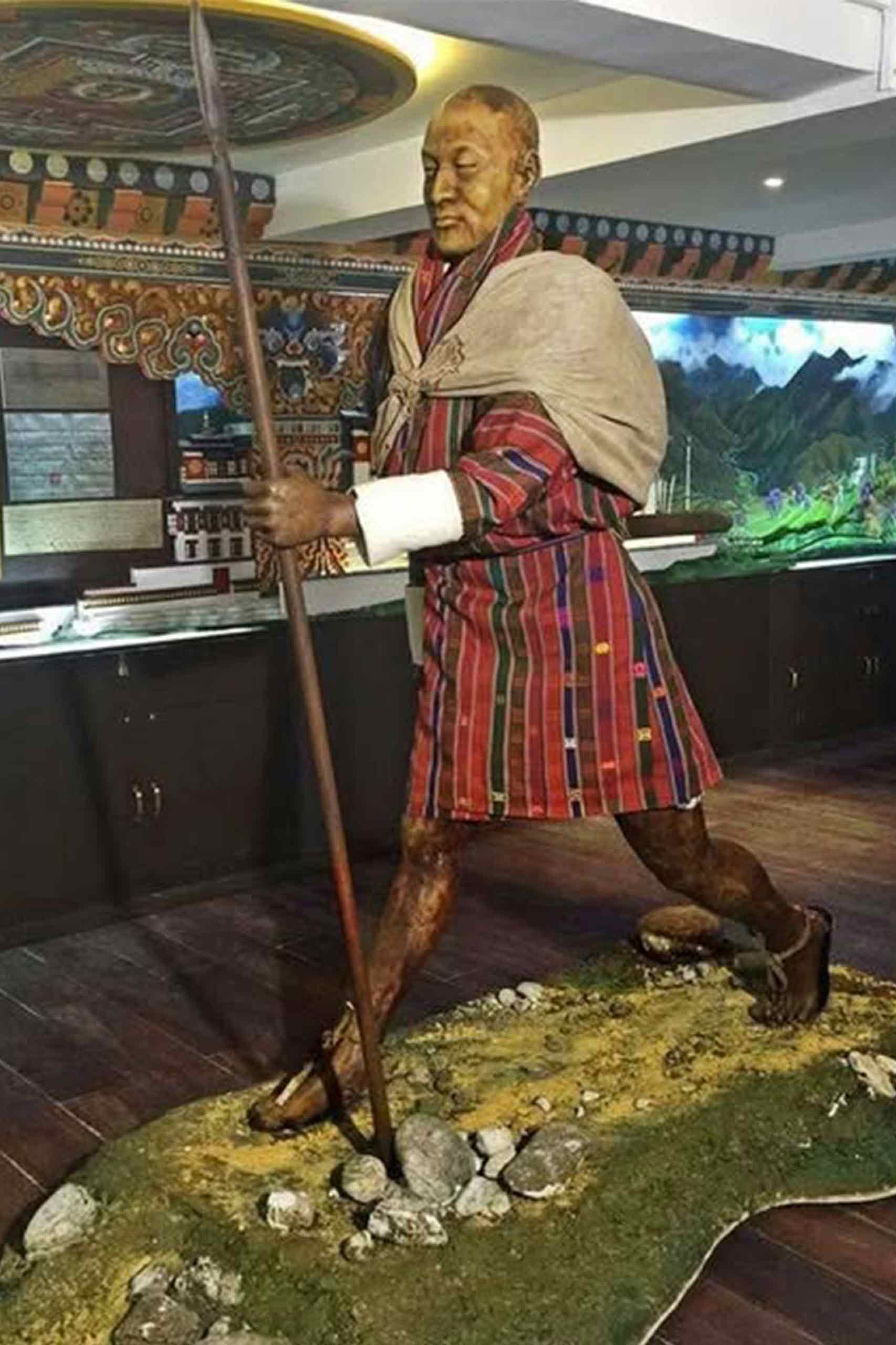
Long ago, during a blessed kalpa (eon), humans, local deities, and Dharma protectors walked the earth together. This was a time when renowned protective deities like Ap Chundu of Haa, Ap Geynyen of Thimphu, and Ap Muktsen of Trongsa were said to have fathered children with mortal women.
Among Ap Muktsen’s devotees were three extraordinary brothers: Geypung Norbu, Gyetsel Rigpa, and Garp Lungi Khorlo. Their strength and intelligence became legendary. Fearing their growing influence, the Trongsa Penlop Zhidhar (Druk Dhendup) enlisted them under his command as novices, hoping to keep them under control.
But the brothers quickly surpassed all others in strength, intellect, and charisma. The Penlop, sensing a challenge to his authority, resolved to subdue them—beginning with Garp Lungi Khorlo, whose name means Wheel of Wind.
To test them, the Penlop gave each brother a task.
- Geypung Norbu was to grind down an iron hammer into an axe within a day.
- Gyetsel Rigpa was assigned to stitch a mask dance costume from a sack of silk shreds in one day.
- Garp Lungi Khorlo was told to walk from Trongsa to Punakha and back—within the same day.
If they succeeded, the Penlop promised promotions and honors.
Garp Lungi Khorlo accomplished his journey and returned before dinner at Trongsa Dzong. However, his brothers had not completed their tasks. Though praised, Garp received no tangible reward.
The same challenge was repeated. Once again, Garp completed the journey, and once again, received only empty words. By the third time, Garp no longer held hope in the Penlop’s promises. Unenthusiastically, he accepted the challenge.
But the Penlop had sinister intentions. He knew of Nyala Duem’s dark presence in Nyalalum and secretly hoped she would claim Garp’s life.
As Garp Lungi Khorlo set out that morning, his spirit was heavy. When he reached Nyalalum, he shouted into the forest:
“Nyala Duem! I hear you are evil and ruthless. If you can, come and devour me today!”
With that, he continued his journey to Punakha.
That afternoon, as he returned, Nyala Duem remembered his defiant words. She had been watching him walk dejectedly, aware of his disappointment in the Penlop. Sensing his vulnerability, she decided it was time.
She stealthily removed his la (life force) and transformed into a nomadic girl wearing a black yak wool kira and a bamboo hat. She placed his brain in a wooden milk container and waited at Gangla Pokto.
Garp, exhausted and parched, saw the girl and sat beside her to rest. When she offered him some milk, he drank—unaware it was his own brain.
As he resumed his walk toward Trongsa, he encountered a familiar figure—the same girl, now standing with a man washing entrails. The man wore a gho of black yak wool; one side of his face was white, the other black. Garp shuddered. Confused, he asked them what they were doing.
“We are washing the entrails of an ox,” they replied.
Garp felt his heart sink—the ox was his birth sign.
From that point on, he grew weaker. He walked in a trance, unable to speak. Meanwhile, back at Trongsa, his brothers had completed their tasks, but Garp had not yet returned. They grew anxious.
Just before dusk, a headless Garp Lungi Khorlo arrived at the dzong.
Alarmed, his brothers ran to him. When he shared his harrowing tale, they realized it was Nyala Duem’s doing. Despite their care, Garp fell ill and died soon after.
The Fate of His Brothers
After Garp’s death, his brothers were declared winners, but the Penlop neither rewarded nor acknowledged them. Though he tried various tactics to subdue them, he could not find the right moment.
Eventually, he challenged them to an arm-wrestling match. People from across the country gathered at Trongsa Dzong to witness the spectacle.
Though the brothers were reluctant to fight each other, public pressure left them no choice.
Geytsel Rigpa grabbed Geypung Norbu’s arm and refused to budge. In response, Geypung Norbu swung his brother with all his might and flung him across the Trongsa Bridge. Rigpa, still gripping Norbu’s arm, landed on the other side.
“I won! You couldn’t hold on!” Norbu shouted.
“Yes, I lost, brother. But check if you still have your arm,” Rigpa replied.
To his horror, Geypung Norbu saw that his arm was gone.
Although he remained a fearsome figure, Norbu had lost his strength. With his brother dead and himself maimed, his power waned. In time, his life too quietly faded away
This tale, carried by the winds and whispers of the past, reminds us that even the strongest heroes can fall when fate and magic conspire against them.
Gasa Lamai Singye and Changyul Bum Galem
One of Bhutan’s most beloved and tragic love stories—often likened to Shakespeare’s Romeo and Juliet—is the tale of Gasa Lamai Singye and Changyul Bum Galem. Passed down through generations and immortalized in Bhutanese films and folklore, this legendary romance continues to captivate the hearts of people across the country.
A Love Forbidden
Set in the 17th century, the story begins in Punakha, where Bum Galem, the daughter of a wealthy farmer, frequently visited the bustling marketplace of Puna Dashitsawa. Known for her beauty and grace, she caught the attention of many—including Lamai Singye, an attendant serving under the Deb (Chieftain) of Punakha, whose administrative base was the majestic Punakha Dzong.
Their love blossomed in secret, hidden from the eyes of a society bound by hierarchy and tradition. However, Galem’s radiant beauty did not go unnoticed by the Deb himself, who expressed his desire to marry her. Unaware of her secret relationship, Galem’s parents welcomed the proposal and began preparations for the marriage.
But Galem bravely confessed her love for Singye—and revealed that she was carrying his child. Enraged and ashamed, her parents disowned her. Cast out from her home, Galem lived alone on the banks of the Mochu River, singing sorrowful songs to the occasional passerby and holding on to hope that her message would reach her beloved.
One kind traveler, moved by her plight, offered to deliver her message to Singye in Gasa, even though his own destination was only Goenshari.
A Tragic End
When Singye received Galem’s desperate message, he rushed to Punakha. But it was too late. Galem had died from heartbreak and hardship, and her body was already laid on the funeral pyre.
Legend holds that the fire refused to ignite until Singye arrived. Overwhelmed with grief, he threw himself onto the pyre. The flames engulfed them both—two lovers united in death, if not in life.
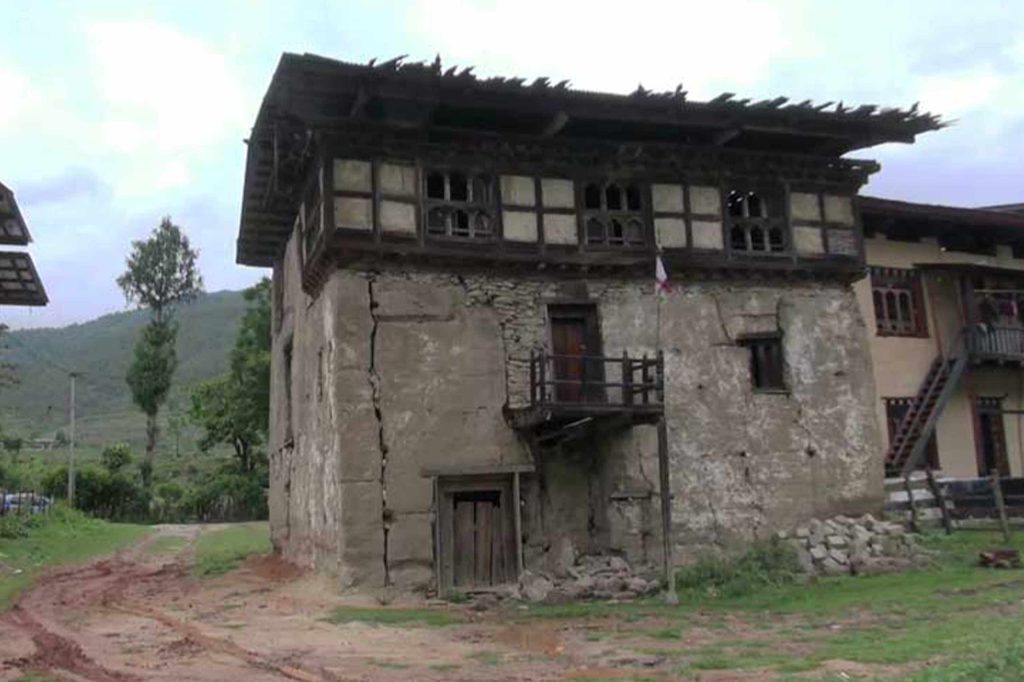
This timeless tale of love and tragedy has only grown in prominence over the centuries. Visitors from around the country continue to visit the site of Galem’s house in Punakha, where efforts are now being made to preserve and honor this cultural treasure.
Preserving a Love That Lives On
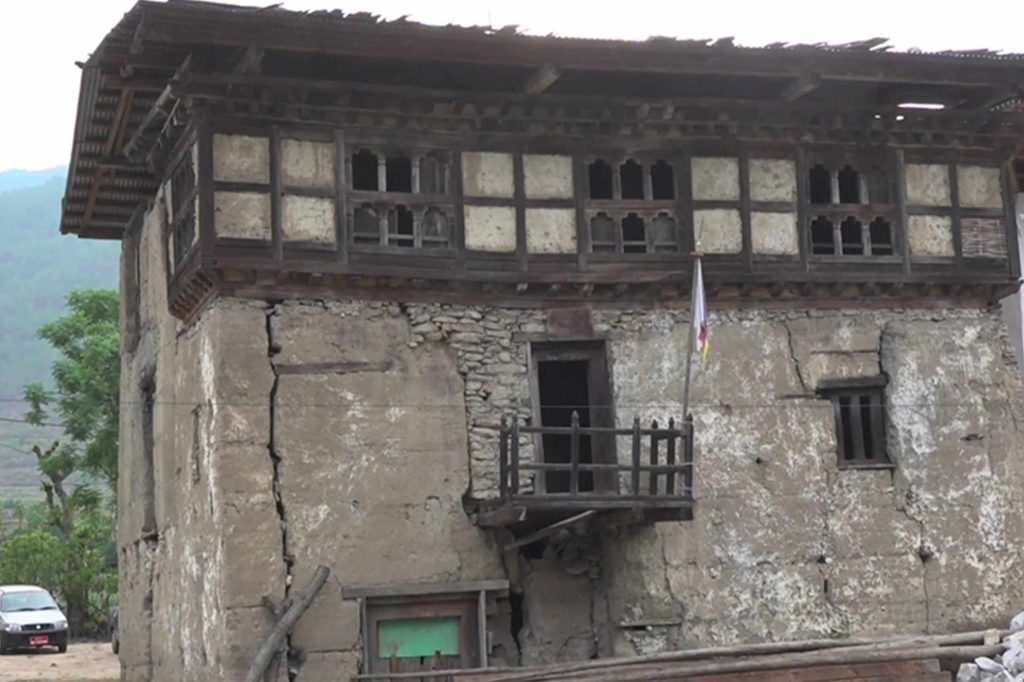
Galem’s ancestral home, dating back to the time of Zhabdrung Ngawang Namgyal, remains an important cultural and spiritual site. Traditional rituals such as Soelthap offerings to the local deity (Goendrap) and ceremonial visits by the Kabji pazaps—who carry the sacred tshendhar (fringed warrior banner) of Gayngyen Jakpa Melen, the guardian deity of Thimphu—are still practiced there. Galem’s male descendants continue to actively participate in these age-old customs.
Ap Wang Drugyel
The people of western part of the country called him Ap Wang Drugyel and those people of eastern part of the country known him “Cha Ngan”. One day, he decided to become nun by pretending himself that he is lady and he joined nun in one of the temple located on top of the hill. He joined nun, wore the nuns’ uniform and even started studying also. But as the night turns he sleeps with the nuns!
He takes turns in sleeping with the nuns in the nunnery. Unfortunately one of them got pregnant creating chaos. Since then, the head of the nunnery decided to inspect who really did that. So, they lit camp fire and made each and every nun to jump over the fire and over again. When the Drugyel’s turn came, he tied his phallus at the back and he jumped, and he was successful at the first time and he was made to jump over again anothesr time. While he jumped for the second time, his thread which was used to tie the phallus got cutoff and it hung between his two leg.
Next morning, when nuns went to see his dead body, they didn’t see the dead body; instead they saw his body was filled with sweat and heat. After seeing that, the nuns were not satisfied with that punishment and again decided to assign another punishment, which was to let him hold the prayer flag pole, day and night which is blown here and there by the wind. He was made to hold the prayer flag tide, and told not let it move even for a second. As told, he holds that prayer flag pole tide throughout the day and night.
At this time, a cymbal seller came by and asked “do you want to buy this cymbals? Yes i want it at Goenpa but i am holding prayer flag but i have to hold it Or else could you please sell it for me? I couldn’t sell it despite my hard work?” So, Ap Wang Drugyel decided, to help him sell his cymbals, if the old man agree to hold the prayer flag for him. Both of them decided to exchange their work. So, that old man, who came to sell the bell, left holding the flag while, Apa Drugyel went to sell the dumb-bell.
He went on to other direction of village. One moment, while he was passing through the forest, he met, old cow man. He asked the cow man, “do you want to buy this?” The old man replied, “yes of course but I have money to buy it”. “it can be exchange for sex and food.” said Ap wang Drukgyel. Then cow herder asked for the price, “how many times can be exchange for it?” Wang Drugyel replied, 100 shots. The old man agreed to buy and they had sex. As the size of the pennies is so big, even comparable with donkeys, that cow herder couldn’t resist even 50 shots, forget 100 and told him to take back his dumb-bell. After that Ap Wang Drugyel also agreed and he took back his thing and continued his journey.
While heading towards the one valley of one the village, on the way, he met with the mother and her daughter on their way back home from water source. As soon as he met them, he again asked་“do you want to buy cymbal?”་yes of course but I have money to buy it”. “it can be exchange for sex and food.” said Ap wang Drukgyel. How many times can be exchange for it?” Wang Drugyel replied, 100 shots.. The mom and daughter, thought for a while and agreed to buy it after sharing 50, 50 shots between mother and daughter. They bought it and the mom let her daughter to complete her turn first and while the man sex with her, the daughter even couldn’t reach 25 shots forget about 50. Then he took on to mothers’ turn and despite her efforts she also failed to cross 50 and both daughter and mom denied to buy the cymbal-bell and handed back to the owner. That same day’s evening while they were eating dinner, the daughter talked about cymbal seller. From nowhere the father, who actually encountered that same incident before his daughter and the wife on that same day, told her daughter to her shut mouth. He fucked all three family member at one go, so father was angry and said “don’t call the name of cymbal seller”