

Tales of Bhutan Tour

Top Things to Do in Panbang & Royal Manas National Park, Bhutan

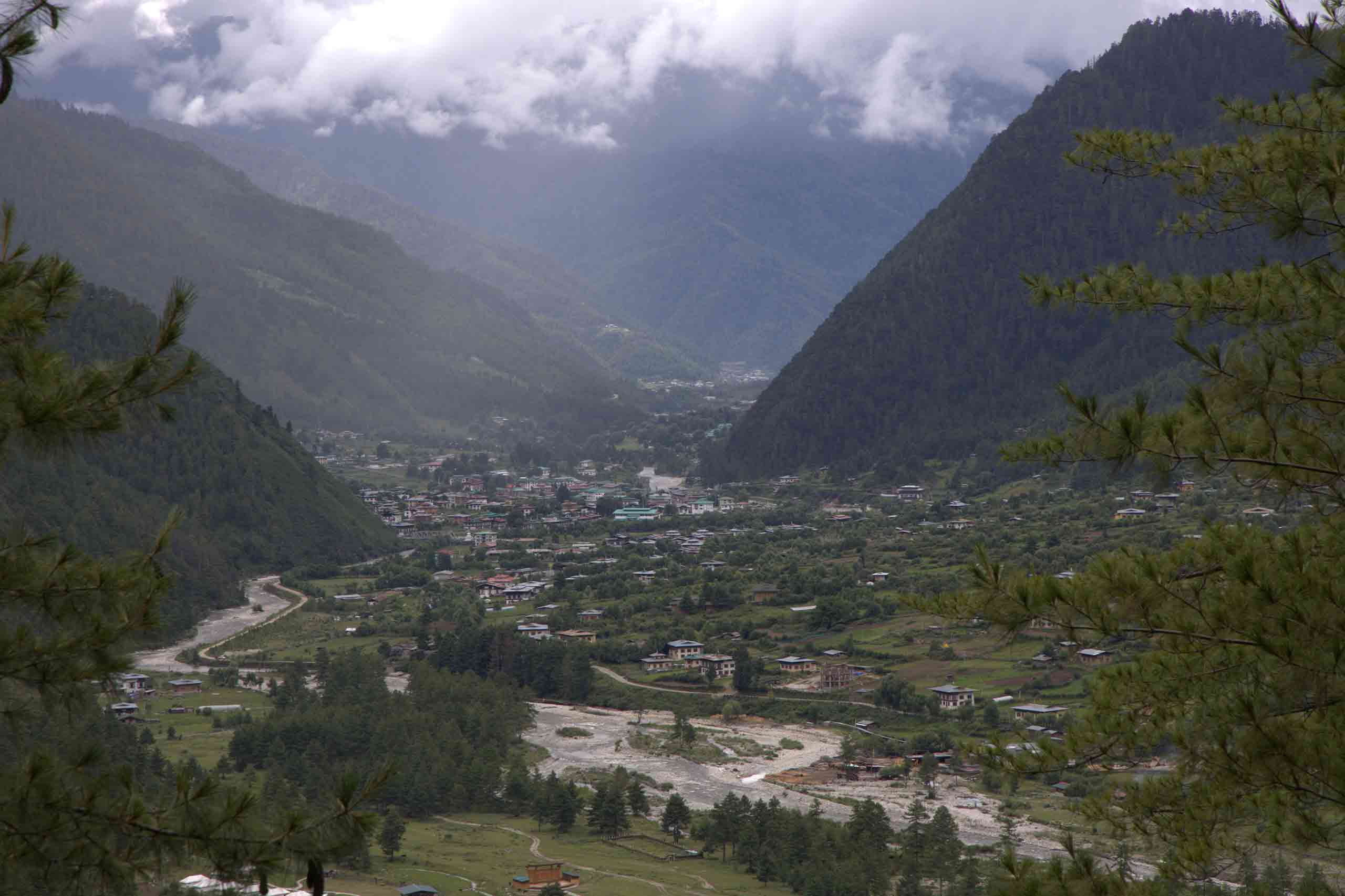
Panbang and Royal Manas National Park offer a rare blend of pristine wilderness, rich wildlife, authentic village life, and deep spiritual calm. Nestled at an altitude of about 130 meters above sea level, Panbang is a peaceful lowland paradise surrounded by lush forests and mountains.

Every morning in Panbang begins with the soothing sounds of nature—chirping birds, soaring hornbills, calling langurs, and the powerful confluence of two great rivers, Mangdechhu and Drangmechhu. It is truly one of Bhutan’s most beautiful and least-explored destinations.

Panbang attracts nature lovers, birdwatchers, wildlife enthusiasts, and travelers seeking an authentic Bhutanese countryside experience. While eco-lodges here offer simple, basic comforts, the breathtaking scenery, abundant wildlife, and serene atmosphere make staying at least two nights highly rewarding.

From birding and river rafting to village walks and spiritual retreats, Panbang offers a wide range of activities. Below are the

Bjoka Village is a rustic and picturesque destination well worth exploring. Located about a 1½-hour drive from Marang Jungle Camp, the village is easily accessible via a newly constructed, fully blacktopped road, offering a comfortable and scenic journey through the countryside.

Bjoka Village is an ancient and culturally rich settlement with a history linked to Prince Lhasey Tsangma, son of Tibetan King Songtsen Gampo. Because of this lineage, the villagers identify themselves as part of the Kheng Khochog community.

This rustic village is also known for its Bon spiritual traditions. Every year, on the 3rd day of the 2nd lunar month, special Bon rituals are performed by a Bon master to honor household and village deities.

Bjoka is famous for its hand-woven bamboo crafts, including baskets, farmer hats, butter containers, and the iconic Zem basket, widely used across Bhutan for trekking and daily life. These finely crafted bamboo products are now sold in markets as far as Thimphu and Panbang town.

For adventurous hikers, villagers can guide you along traditional foot trails from Bjoka to Yangmari—an all-day trek through forests and remote countryside, with optional camping.

2. Wildlife Safari in Royal Manas National Park (Bhutan)

Located about 15 km from Panbang, Royal Manas National Park is Bhutan’s oldest national park and a biodiversity hotspot. The drive takes approximately 45 minutes along an eco-friendly dirt road.

The best time to visit is early morning (before 10 AM) or late afternoon (after 3 PM), when wildlife is most active. You may spot Asian elephants, wild water buffalo herds, deer, wild boars, capped langurs, golden langurs, and many endangered bird species.

3. Birdwatching Along the Panbang–Nanglam Highway

Panbang is a paradise for birders. The Panbang–Nanglam highway offers excellent roadside birdwatching opportunities, especially in the early morning.

Common sightings include:

  • Great Hornbill
  • Rufous Hornbill
  • Rusty-fronted Barwing
  • Red-tailed Minla
  • Lesser Necklaced Laughingthrush

Many rare and endangered bird species can also be spotted in this region.

4. Explore Panbang Town & Panbang Monastery

Take a relaxed walk through Panbang town and along the road leading to Panbang Goenpa (Monastery), which hosts an annual local festival worth experiencing.

Nearby, you can also visit the suspension bridge built by Dasho Nishoka San from Japan, an interesting landmark connecting local communities.

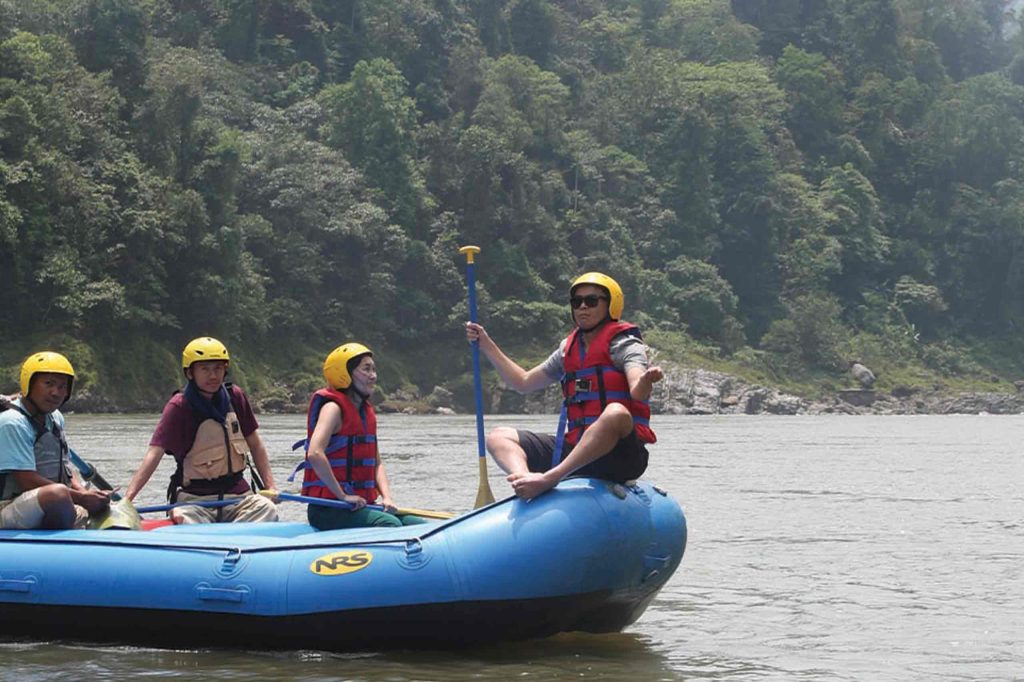
5. White-Water River Rafting in the Manas River

For adventure seekers, river rafting in the Manas River is an exciting experience. During summer, rafting is more challenging and adventurous, while in other seasons it is calmer and enjoyable.

The clean Himalayan river also offers occasional wildlife sightings, as animals often come to the riverbanks to drink water.

6. Hiking Around Panbang Village

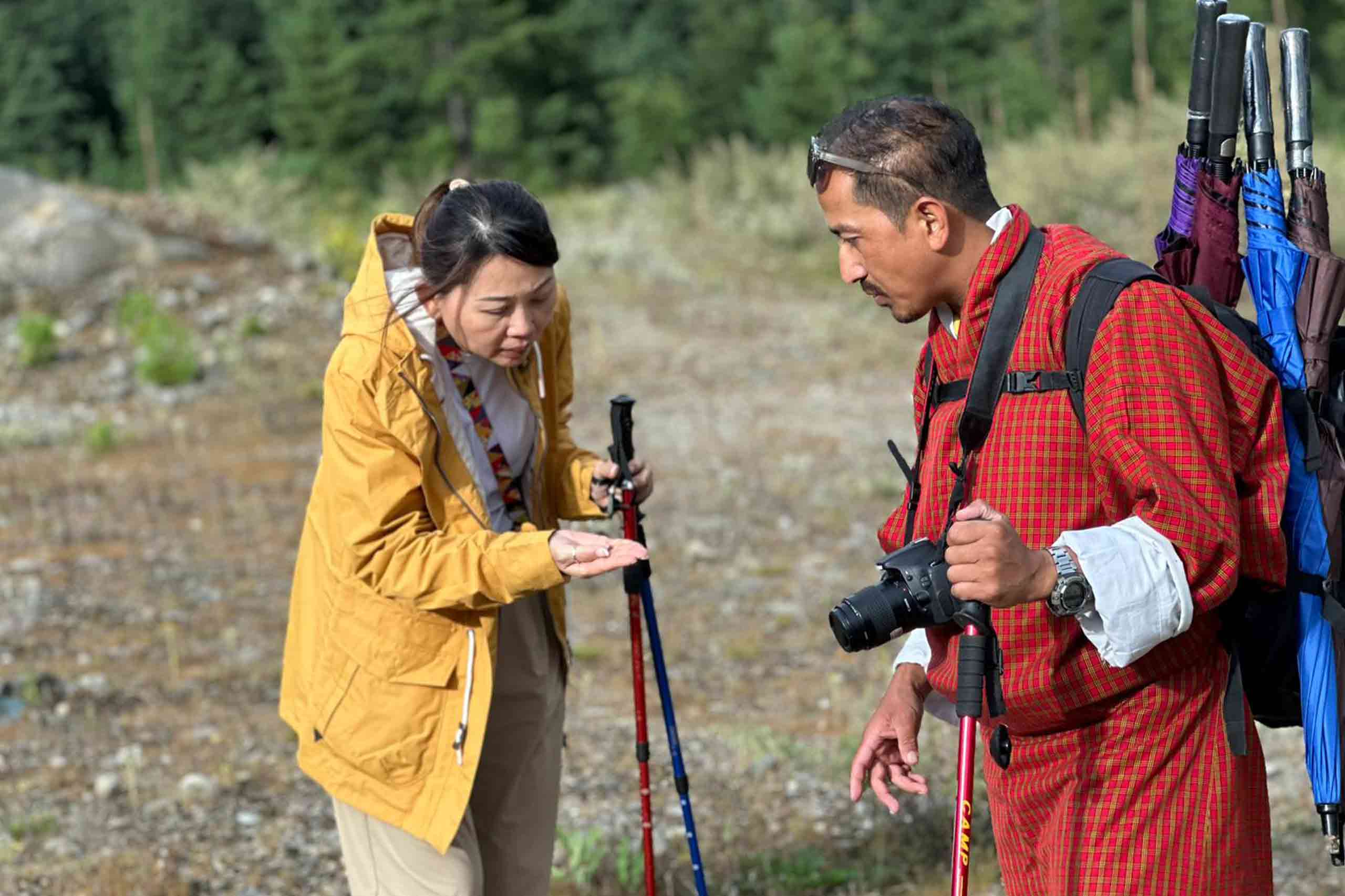
Enjoy scenic hikes along ancient forest trails connecting Marang Jungle Camp and the route toward Bjoka Village. These trails are best explored in winter, as summer monsoon makes them muddy and slippery.

7. Jeep Safari in Manas National Park (India)

For deeper wildlife exploration, travelers can arrange a Jeep Safari in Manas National Park, India, through their Panbang hotel.

Bhutanese and Indian tourists only need Bhutan-side Manas permits. The safari lasts 2–3 hours and offers excellent chances to see wildlife. Note: the road can be dusty, so carrying a face mask and hat is recommended.

8. Visit a Local School

A meaningful cultural experience is visiting a local school. With prior arrangement through the school principal, you can attend the morning assembly, where you’ll witness how Bhutanese students begin their day with discipline, prayer, and positivity.

9. Wellness & Spiritual Retreat in Nature

Panbang is especially beautiful and peaceful in winter, making it ideal for wellness travel. Enjoy riverside walks, mindfulness yoga, meditation, and forest bathing, accompanied by birdsong and the gentle flow of the river.

10. Read, Write & Simply Relax

Panbang is the perfect place to slow down. Spend quiet days at your lodge reading books, journaling, or simply enjoying the untouched scenery. Sometimes, the best holiday experience is doing nothing at all—just relaxing and reconnecting with nature.

11. Nangla Trong Goenpa

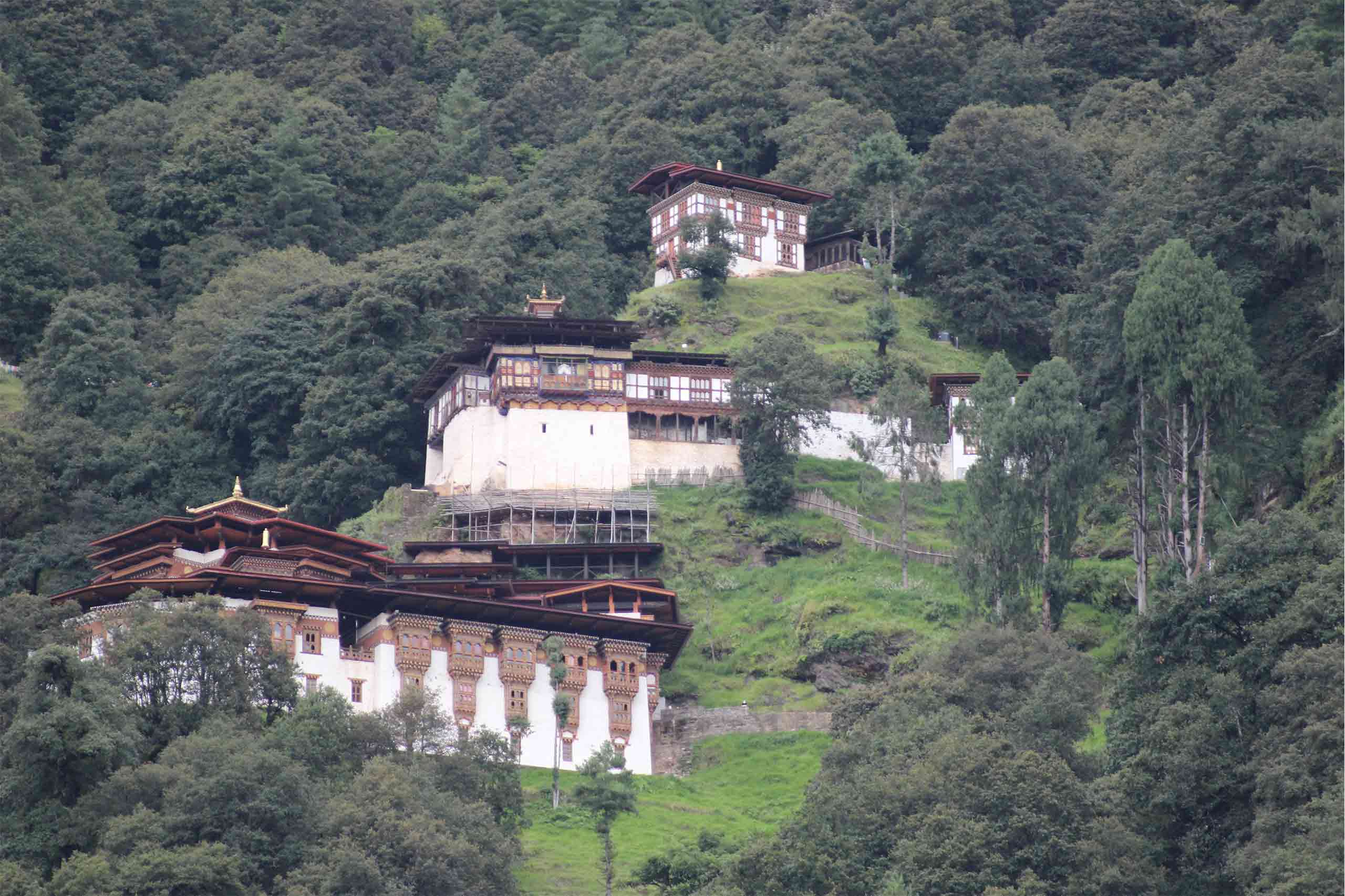
Nangla Trong Goenpa is located along the road leading to Bjoka Village. The temple is best known for its unique local ritual and festival called Nangla Trong Choedpa, which literally means “offerings made to the Ngangla deities.” This sacred ceremony is performed at the temple, situated at an altitude of 1,220 meters above sea level.

Although the detailed history of Nangla Trong Goenpa remains unclear, the main deities enshrined inside are Guru Padmasambhava, Tsepadme (the deity of longevity), and the Eleven-Headed God of Compassion.

Nangla Trong is approximately a 45-minute drive from the Marang Jungle Lodge. The road leading there is blacktopped and continues onward to Bjoka Village.

During the festival of Nangla Trong Choedpa, hundreds of locals gather to make offerings and appease the protective deities of the region. One particularly fascinating aspect of this event is the strong presence of the Bonpo tradition. The rituals are performed by a powerful village shaman—a tantric master believed to possess special abilities to communicate with and control the deities—making this festival unlike any other in the area.

12. Bjoka Village

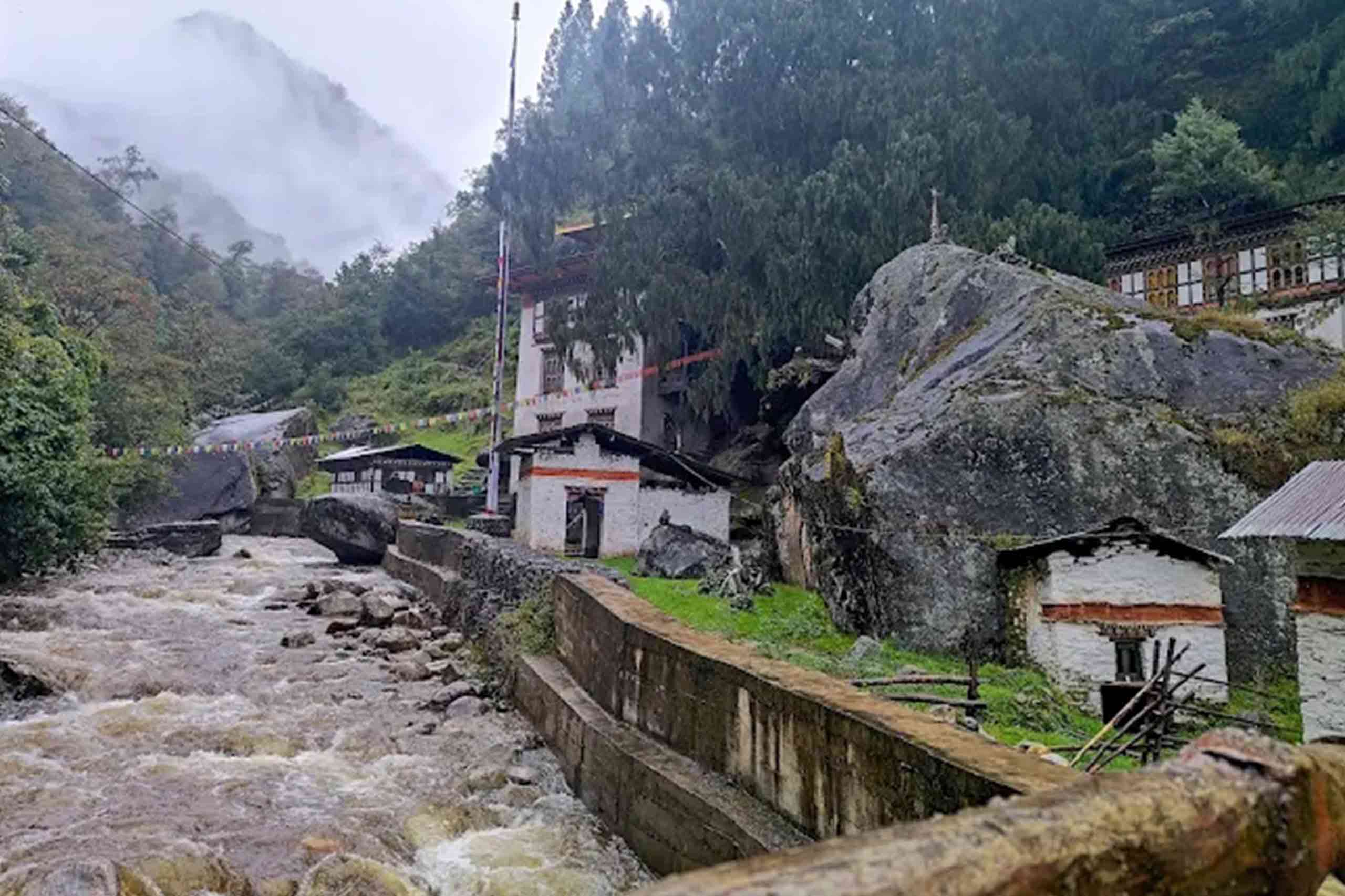
Bjoka Village is located about 1 hour and 15 minutes’ drive from Marang Jungle Camp. The road follows the same route that leads to Nangla Trong Goenpa and continues further uphill until you reach the village.

Situated under Panbang Dungkhag in Zhemgang District, Bjoka is known for its peaceful and serene environment. Resting at an altitude of around 1,150 meters above sea level, the village is home to unique Bonpa traditions, especially their distinctive ritual offerings.

Bjoka is also renowned for Tsarzo—the traditional art of bamboo and cane weaving. The village produces a variety of handcrafted items such as baskets and containers. Among them, the Bzem, a strong cane basket once used to carry goods on horseback, is especially famous. These beautifully crafted baskets continue to be supplied to many parts of Bhutan and remain a symbol of Bjoka’s craftsmanship.

The people of Bjoka are warm, humble, and welcoming. Most families practice dry-land farming, cultivating crops such as sweet corn, millet, buckwheat, wheat, potatoes, ginger, tapioca, oranges, avocados, mangoes, and more.

13.Bjoka Heritage House

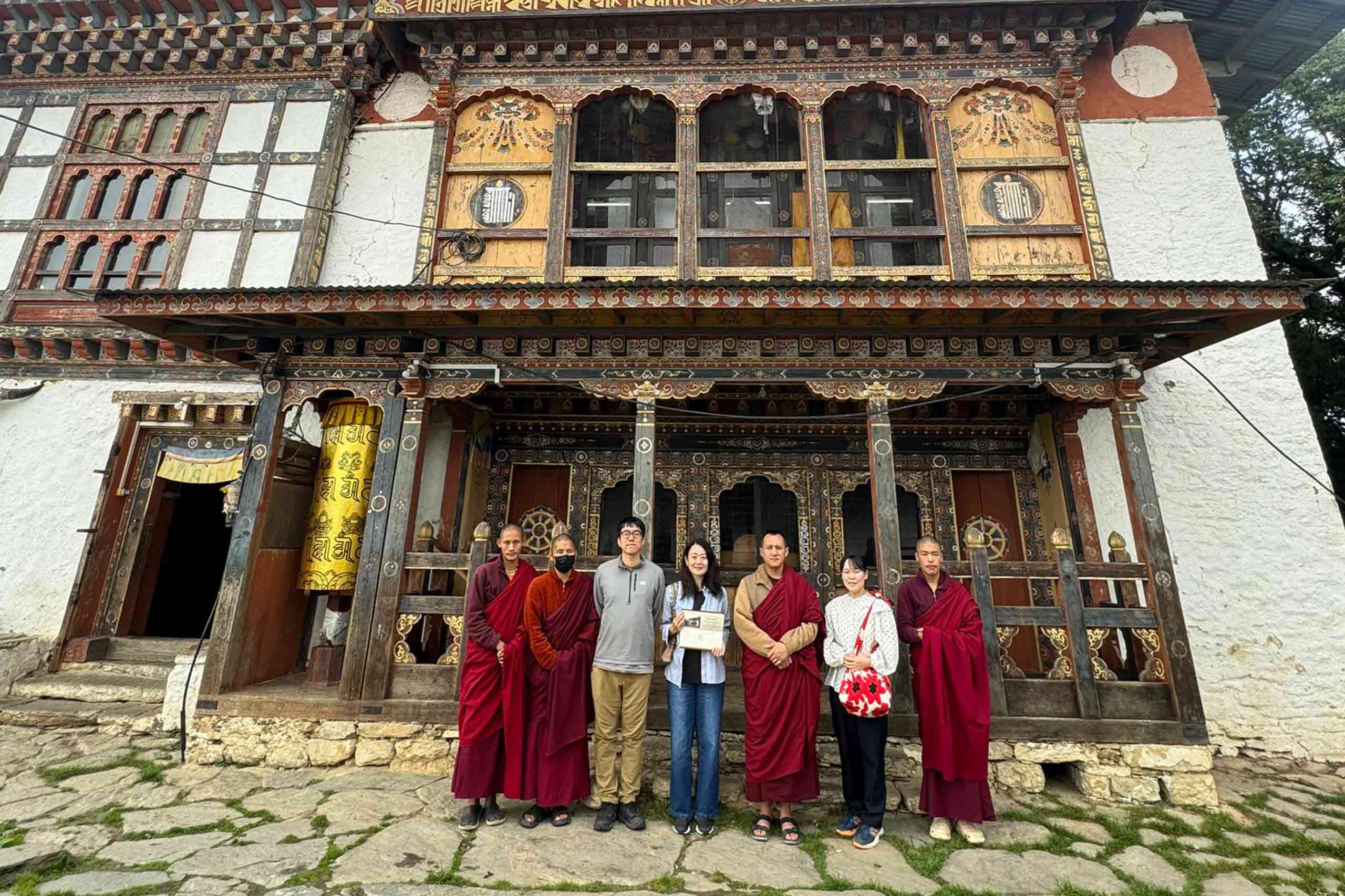
Bjoka Kochoe Heritage House is one of the most interesting and heritage house to visit in Bjoka Village because this has the the rich history and 8th Descendant of the ruler from the the time of Prince Lhasey Tsangma of Tibetan King Treson Duetson has lived here from 6th century.


Prince Lhasey has the who ls belived to be the grand son of the Tibetan King Trison Duetson has lived here and there were the family descendent of the Royal Lhasey who started Khochoe Family in the eastern Bhutan.

Recent Posts