Haa Dzongkhag
Distance from Paro: 67 km
Driving Time: Approximately 2½ hours
Highest Point: Chele La Pass (3,988 meters above sea level)
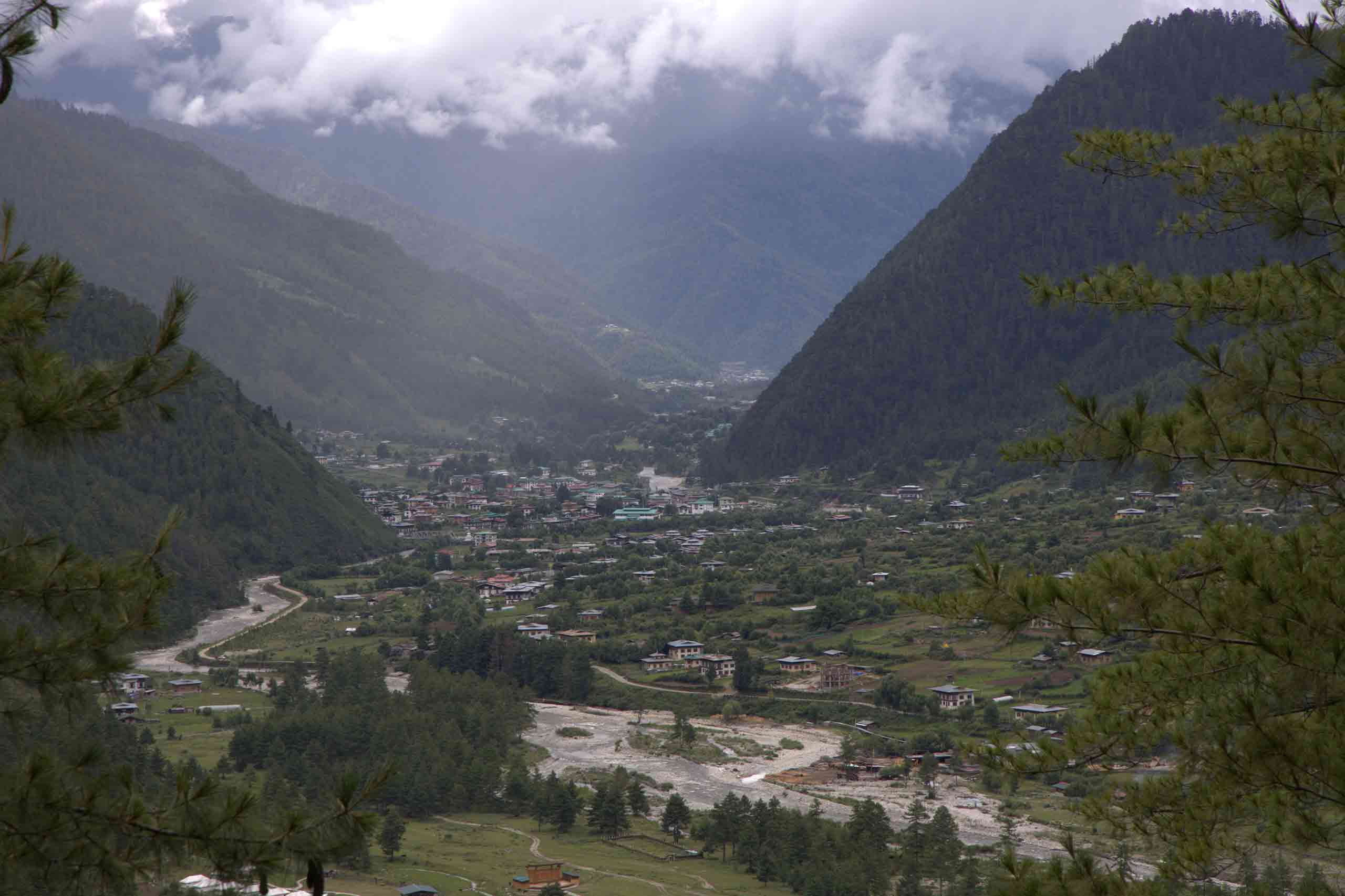
Haa Valley Elevation: 2,500 meters above sea level
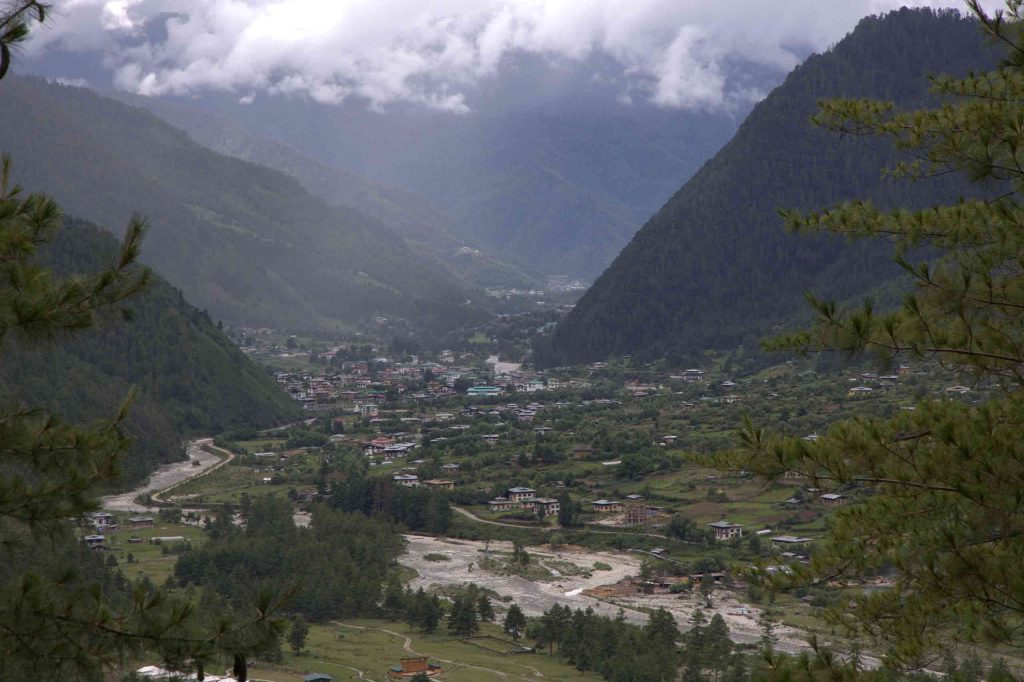
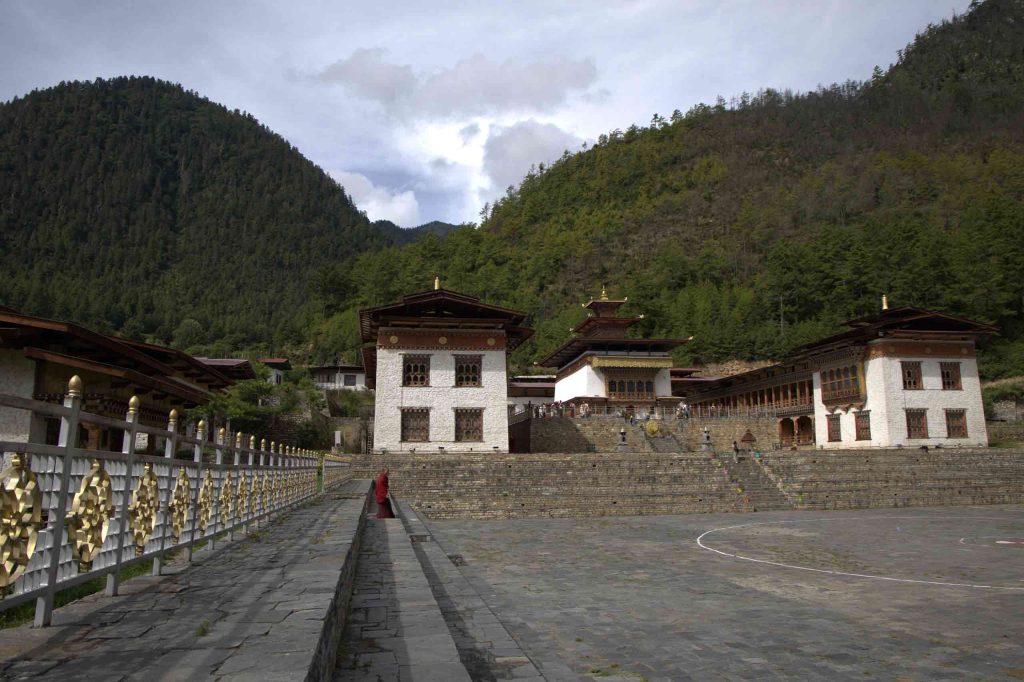
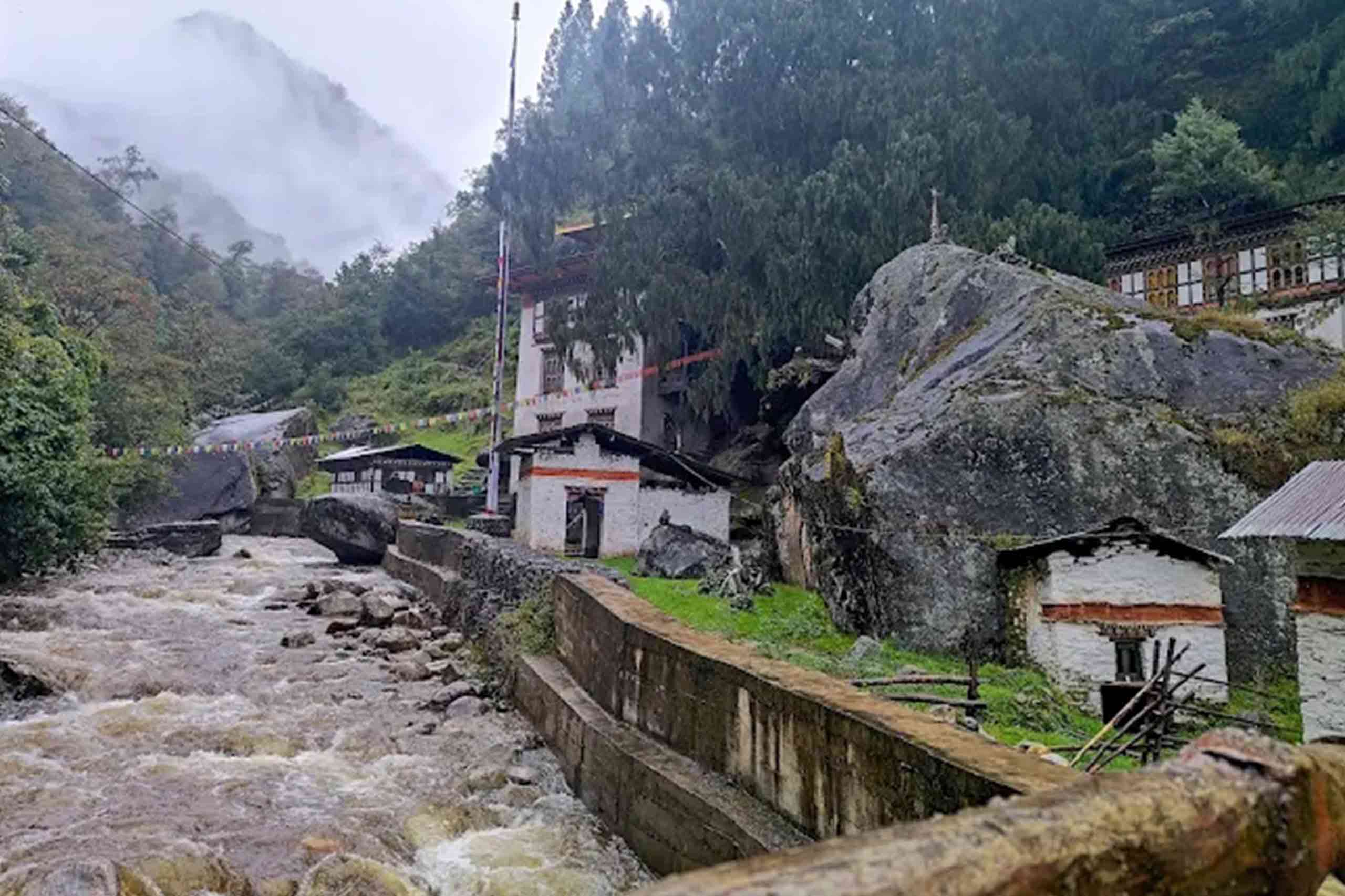
Haa Valley is widely regarded as one of Bhutan’s most breathtaking destinations, celebrated for its pristine landscapes, rich cultural heritage, and tranquil atmosphere. In recognition of its extraordinary beauty, BBC named Haa Valley among the 25 best places to visit in the world for 2025.
Despite this international recognition, Haa Valley remains one of Bhutan’s best-kept secrets. Untouched by mass tourism, the valley continues to offer an authentic and peaceful experience for travelers seeking nature, culture, and genuine local hospitality. Although it is conveniently located within easy driving distance of both Paro and Thimphu, connected by well-maintained roads and spectacular mountain scenery, relatively few visitors venture into this hidden paradise.
For those who do, Haa Valley rewards every journey with dramatic Himalayan landscapes, charming traditional villages, ancient monasteries, and an unspoiled natural environment that captures the true spirit of Bhutan.
Top 6 Unique Things to Do in Haa Valley
Located about 15 km from Panbang, Royal Manas National Park is Bhutan’s oldest national park and a biodiversity hotspot. The drive takes approximately 45 minutes along an eco-friendly dirt road.
The best time to visit is early morning (before 10 AM) or late afternoon (after 3 PM), when wildlife is most active. You may spot Asian elephants, wild water buffalo herds, deer, wild boars, capped langurs, golden langurs, and many endangered bird species.
1. High-End Fly Fishing Experience
Fishing Location: Haa Chhu River – Bhutan’s premier fly-fishing destination
Fishing Permit: Required from the Department of Forests and Park Services
Permit Fee: Nu. 7,000 per person
Conservation Policy: Strictly Catch and Release
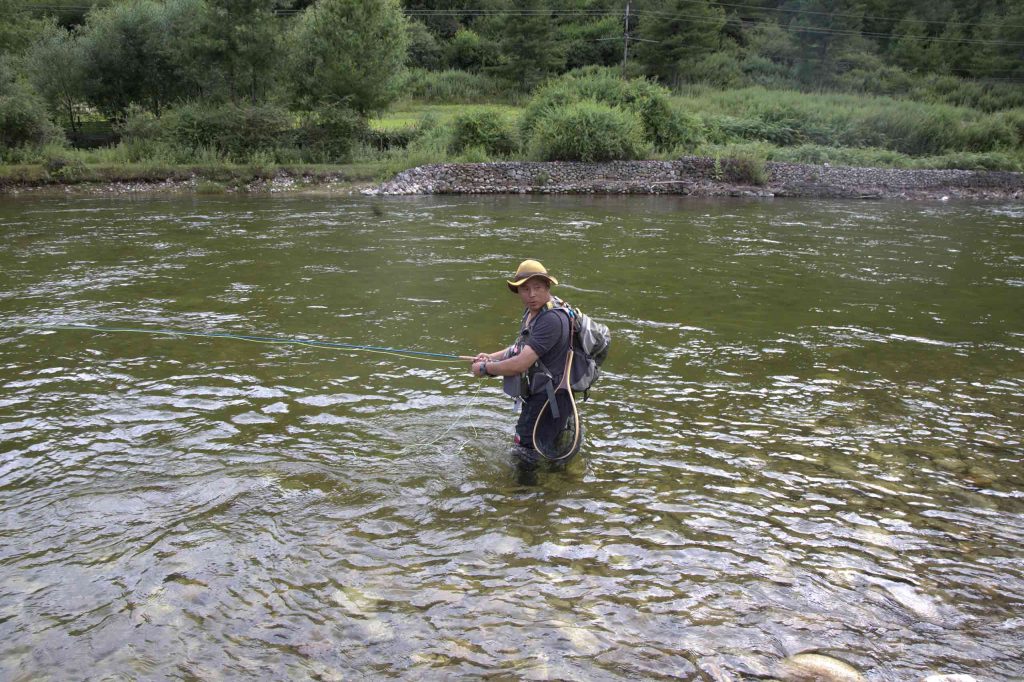
Surrounded by pristine forests and the crystal-clear waters of the Haa Chhu, Haa Valley offers one of Bhutan’s most exclusive and rewarding fly-fishing experiences. The river is home to healthy populations of Himalayan trout, including the Rainbow Trout, Brown Trout, and the rare Golden Trout.
These trout were first introduced to Bhutan by Gongzim Sonam Tobgay Dorji in a select few rivers, including Haa Chhu, Toeb Rang Chhu, Nikachhu, and Chamkhar Chhu. Over the years, Haa Chhu has remained remarkably clean, calm, and undisturbed, creating an ideal habitat for these magnificent fish and making it one of the finest fly-fishing destinations in the country.
To protect this precious ecosystem, Haa Valley has developed a High-End Fly Fishing program that focuses on sustainability and conservation. All fishing is conducted under a strict Catch-and-Release policy, and permits are limited to designated fishing zones to ensure the long-term preservation of the river and its fish population.
More than just a fishing trip, this is an immersive Bhutanese experience. Guests spend the day surrounded by breathtaking mountain scenery while enjoying authentic Bhutanese hospitality. Relax beside a warm bonfire, savor traditional snacks and refreshments, and learn about the local culture and way of life from experienced hosts and guides.
For the best experience, we recommend a full-day fly-fishing adventure, followed by cultural activities or a traditional hot stone bath in the evening—creating unforgettable memories in one of Bhutan’s most untouched valleys.
The High-End Fly Fishing Experience is an exclusive, fully guided adventure designed for discerning anglers seeking a premium experience in Bhutan. The cost is USD 700 per person per day, which includes all logistics and support throughout the trip.
The package includes:
- Professional fly-fishing guide
- Fishing permits
- Round-trip transportation
- Premium fly-fishing equipment
- Breakfast, lunch, and refreshments
- Traditional Bhutanese snacks and beverages
- Riverside camp setup with a bonfire (where applicable)
This all-inclusive experience combines world-class fly fishing with authentic Bhutanese hospitality, ensuring a memorable day amidst the pristine beauty of Haa Valley.
Best Season: The ideal time for high-end fly fishing in Haa Valley is from April to June and September to November, when crystal-clear rivers, pleasant weather, and active trout create the perfect conditions for an exceptional angling experience.
2. Red Panda Trail Hike – Discover the Elusive Himalayan Red Panda
Hiking Distance: 4.5 km
Duration: 2–3 Hours
Trail Grade: Easy to Moderate
Best Season: Spring (March–May) and Autumn (September–November)
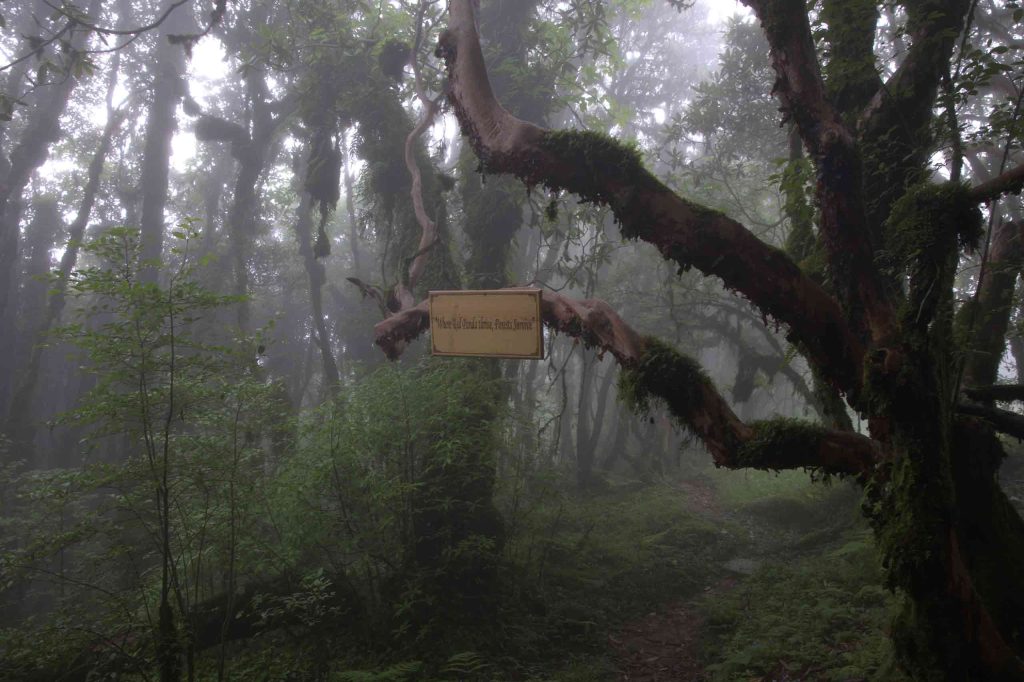
Embark on one of Bhutan’s most enchanting wildlife hikes through the pristine forests of Haa Valley. The Red Panda Trail offers a unique opportunity to explore the untouched Himalayan wilderness, winding through ancient blue pine, fir, spruce, and vibrant rhododendron forests.
The journey begins with a scenic 30–40-minute drive downhill from Tergola Pass (3,720 metres above sea level). From there, the trail descends gently through one of Bhutan’s protected red panda habitats, where these shy and endangered mammals are known to roam and play.
The first section of the trail provides the highest chance of spotting the elusive Himalayan Red Panda, although sightings are never guaranteed due to their secretive nature. Along the way, hikers may also encounter a variety of rare Himalayan birds, colourful butterflies, and other native wildlife. During spring, the forest comes alive with blooming rhododendrons, while autumn offers crisp mountain air and breathtaking views of the surrounding valleys.
One of the trail’s unique highlights is the chance to see the rare white Puppy blooming in summer time though, in the month July Last week.
With its peaceful atmosphere, spectacular scenery, and rich biodiversity, the Red Panda Trail is a must-do experience for wildlife enthusiasts, photographers, birdwatchers, and anyone wishing to immerse themselves in the untouched beauty of Haa Valley.
3. Drive to Tergola Pass for Sunrise and Sunset
Distance from Haa Town: 24 km
Driving Time: Approximately 1 hour
Altitude at Tergola Pass: 3,720 meters above sea level
Weather: Cool and often windy
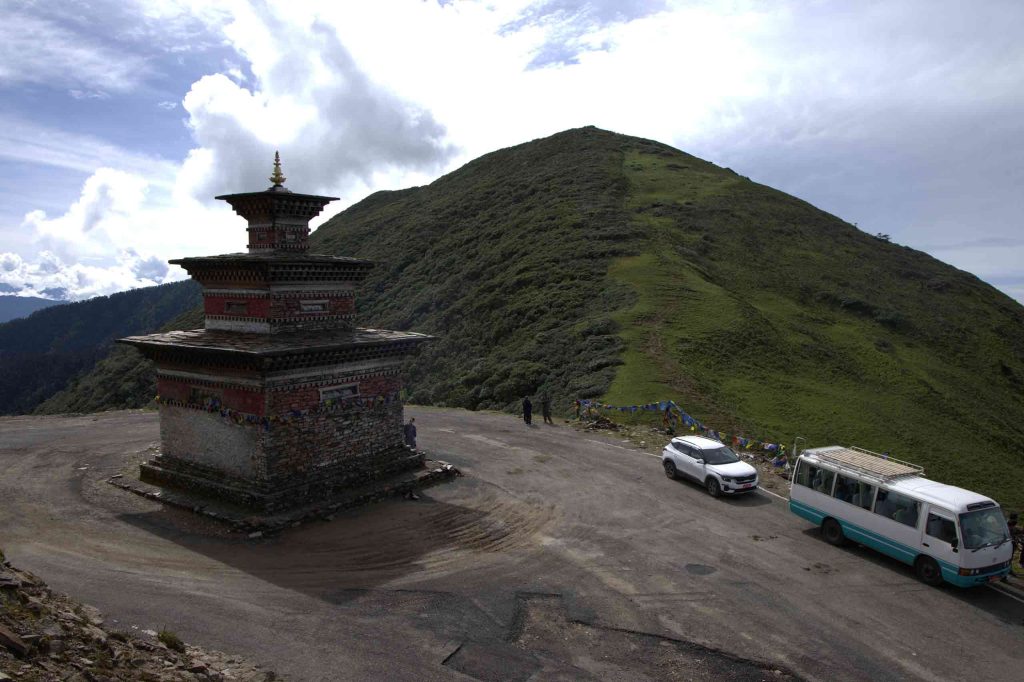
If you’re searching for the best places to capture breathtaking sunrise and sunset views in Bhutan, the country’s high mountain passes are among the finest locations. If your journey brings you to the pristine Haa Valley, don’t miss the opportunity to drive to Tergola Pass, perched at 3,720 meters above sea level.
On clear mornings, the first golden rays of the sun gradually illuminate the surrounding valleys and distant Himalayan peaks, while colorful prayer flags flutter gracefully in the crisp mountain breeze. At sunset, the sky transforms into a spectacular canvas of warm hues, creating a magical setting for photographers, nature lovers, and anyone seeking a peaceful Himalayan escape.
Beyond its stunning viewpoints, Tergola Pass also serves as the starting point for several scenic hiking trails and longer trekking routes, making it an ideal destination for both adventure enthusiasts and those wishing to immerse themselves in the untouched beauty of Haa Valley.
4. Hike the Haa Panorama Trail
- Hiking Distance: 11 km
- Hiking Duration: Approximately 5 hours
- Highest Elevation: 3,150 m
- Starting Point: Yangthang Goenpa
- Ending Point: Katsho Goenpa
- Best Season: January to May and September to December
The Haa Panorama Trail is one of Bhutan’s most spectacular day hikes, offering breathtaking views of the Haa Valley, rolling alpine meadows, pristine forests, and distant snow-capped Himalayan peaks. Along the way, the trail passes through traditional yak-herding pastures, sacred sites, and vibrant prayer flags, providing a perfect blend of natural beauty, cultural heritage, and spiritual tranquility.
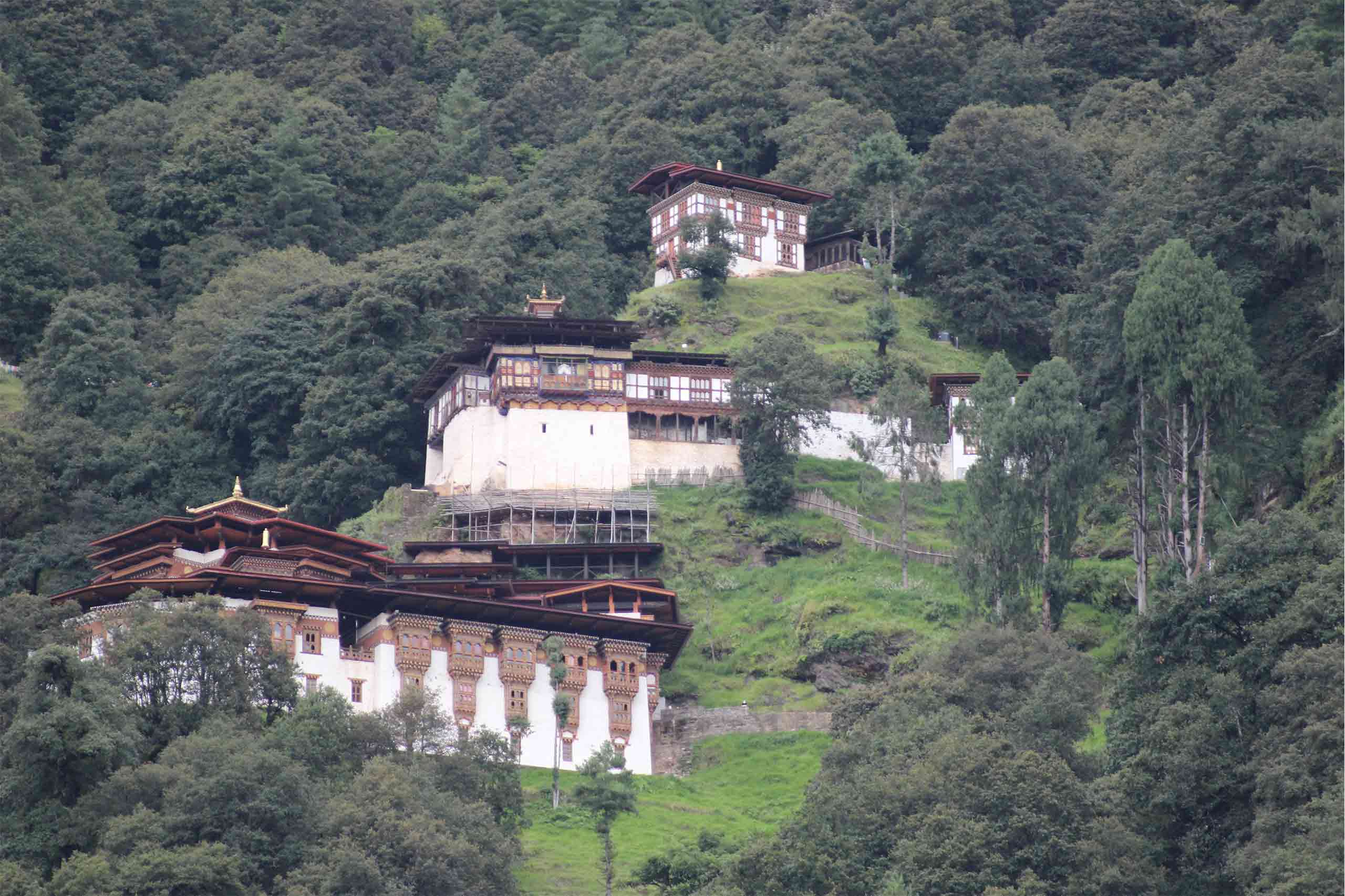
One of the highlights of this hike is visiting the ancient monasteries that lie along the trail. These sacred sites offer a glimpse into Bhutan’s rich Buddhist traditions while adding a peaceful and spiritual dimension to the journey.
Whether you are an experienced trekker or simply a nature lover, the Haa Panorama Trail promises an unforgettable adventure through one of Bhutan’s most untouched and serene landscapes.
The best seasons for hiking are spring (January to May) and autumn (September to December), when the weather is generally clear and the mountain views are at their finest. During the summer monsoon, sections of the trail can become muddy and slippery due to rainfall. However, the valley transforms into a lush green paradise, with flourishing meadows, vibrant wildflowers, and mist-covered forests that create an equally enchanting experience despite the occasional rain.
5. Attend the Sacred Chundu Festival at Lhakhang Karpo
- Venue: Lhakhang Karpo, Haa Valley
- Time: Early morning (begins around 4:00 AM)
- Highlight: Ancient shamanic rituals performed alongside Buddhist ceremonies
- Date: 1 November (annually)
Nangla Trong Goenpa is located along the road leading to Bjoka Village. The temple is best known for its unique local ritual and festival called Nangla Trong Choedpa, which literally means “offerings made to the Ngangla deities.” This sacred ceremony is performed at the temple, situated at an altitude of 1,220 meters above sea level.
Although the detailed history of Nangla Trong Goenpa remains unclear, the main deities enshrined inside are Guru Padmasambhava, Tsepadme (the deity of longevity), and the Eleven-Headed God of Compassion.
Nangla Trong is approximately a 45-minute drive from the Marang Jungle Lodge. The road leading there is blacktopped and continues onward to Bjoka Village.
During the festival of Nangla Trong Choedpa, hundreds of locals gather to make offerings and appease the protective deities of the region. One particularly fascinating aspect of this event is the strong presence of the Bonpo tradition. The rituals are performed by a powerful village shaman—a tantric master believed to possess special abilities to communicate with and control the deities—making this festival unlike any other in the area.
6. Experience Authentic Bhutanese Farmhouse Living
Bjoka Village is located about 1 hour and 15 minutes’ drive from Marang Jungle Camp. The road follows the same route that leads to Nangla Trong Goenpa and continues further uphill until you reach the village.
Situated under Panbang Dungkhag in Zhemgang District, Bjoka is known for its peaceful and serene environment. Resting at an altitude of around 1,150 meters above sea level, the village is home to unique Bonpa traditions, especially their distinctive ritual offerings.
Bjoka is also renowned for Tsarzo—the traditional art of bamboo and cane weaving. The village produces a variety of handcrafted items such as baskets and containers. Among them, the Bzem, a strong cane basket once used to carry goods on horseback, is especially famous. These beautifully crafted baskets continue to be supplied to many parts of Bhutan and remain a symbol of Bjoka’s craftsmanship.
The people of Bjoka are warm, humble, and welcoming. Most families practice dry-land farming, cultivating crops such as sweet corn, millet, buckwheat, wheat, potatoes, ginger, tapioca, oranges, avocados, mangoes, and more.
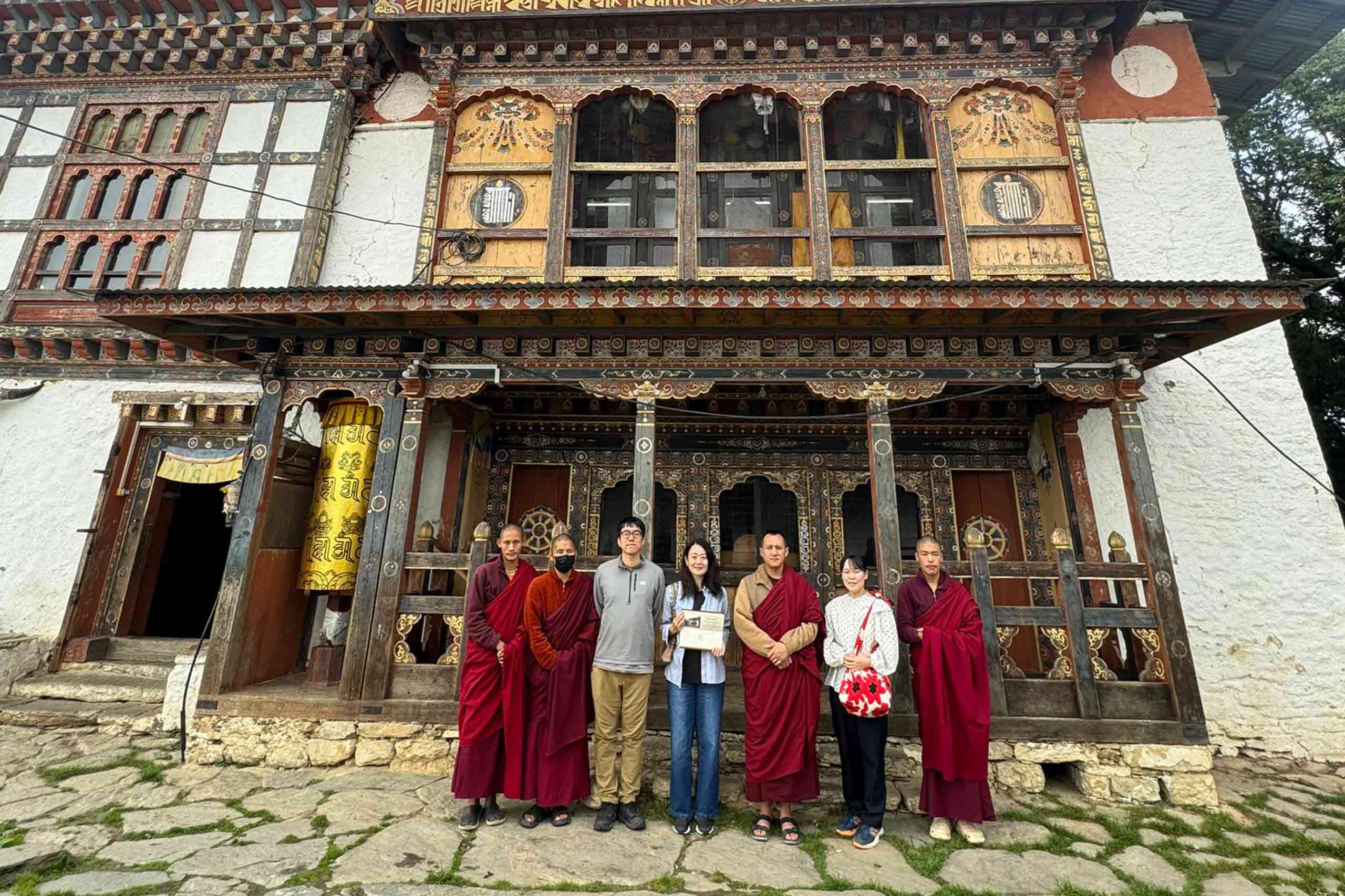
One of the most enriching experiences in Haa Valley is spending time with a local family in a traditional Bhutanese farmhouse. Many of these beautifully preserved homes are more than 200 years old, offering a rare opportunity to step into Bhutan’s timeless rural lifestyle and connect with the people who have called these valleys home for generations.
Built from locally sourced timber, stone, and mud, Bhutanese farmhouses are admired for their distinctive architecture and intricate hand-painted motifs depicting mythical creatures and sacred Buddhist symbols, believed to bring protection, harmony, and prosperity to the household.
During your visit, you’ll be warmly welcomed by your hosts, who are eager to share their stories, customs, and daily way of life. Learn to prepare Hontey, Haa Valley’s famous buckwheat dumpling, along with Ema Datshi, Bhutan’s beloved national dish of chili and cheese. You can also discover traditional farming methods, harvest seasonal vegetables, and gain insight into the valley’s self-sufficient lifestyle.
To complete your cultural experience, enjoy a traditional hot stone bath, watch how incense and butter lamps are prepared, and, if your visit coincides with a local celebration, experience the excitement of Bhutanese festivities and traditional firecrackers.
A stay in a Bhutanese farmhouse is far more than accommodation—it’s an opportunity to experience genuine Bhutanese hospitality, immerse yourself in centuries-old traditions, and create meaningful memories with the people who preserve the cultural heart of Haa Valley.
Recent Posts
Top Things to Do in Panbang & Royal Manas National Park, Bhutan
Top Things to Do in Panbang & Royal Manas National...
Read MoreSacred history of Chagri Monastery in Bhutan
Sacred history of Chagri Monastery in Bhutan Chagri Dorjeden Monastery...
Read MoreOmba Ney Hike in Trashiyangtse
Omba Ney Hike in Trashiyangtse Starting/Ending Point: Tsangphuchen Primary School...
Read MoreNgye Dechen Phodrang Hike – Trashiyangtse
Ngye Dechen Phodrang Hike – Trashiyangtse Distance: 12 kilometers Driving...
Read MoreNyala Dargay Choeling Monastery-Wangduephodrang
Nyala Dargay Choeling Monastery-Wangduephodrang The most sacred places to visit...
Read More